
How to Become an AI Engineer in 2026: A Realistic Roadmap (Not a Hype Reel)
Becoming an AI engineer in 2026 doesn't require a PhD or being a math genius. Here's a realistic, hype-free roadmap: the skills that actually matter, what to learn first, and the mistakes to skip.
Zeeshan Zakir
When I started getting into AI, I almost quit before I began. Every roadmap online looked like a five-year university curriculum: advanced calculus, linear algebra, statistics, then maybe, eventually, you'd be allowed to touch actual AI. It was paralyzing, and it was also wrong, at least for what most AI engineering jobs in 2026 actually involve.
Here's the realistic version, because the field has changed and the old advice hasn't kept up.
What does an AI engineer actually do?
An AI engineer builds software that uses artificial intelligence to solve real problems. In 2026, a huge share of that work is applied: taking powerful existing models (like those from OpenAI, Anthropic, or Google) and building useful products and systems around them, rather than training models from scratch.
This is the shift that makes the field more accessible than it used to be. There's a meaningful difference between:
- AI/ML researchers – who push the science forward and genuinely need deep math and advanced degrees.
- AI engineers – who build with AI: integrating models, designing systems, building agents and AI-powered features. This needs solid engineering more than research-level math.
Most of the jobs being created are the second kind. That's the path I'll map.
Do you need a PhD or to be a math genius?
No. For applied AI engineering, you need enough math to understand what's happening, not research-level depth. A working grasp of the concepts behind how models learn is plenty for most roles. The heavy theory matters if you want to be a researcher; for building AI products, strong software skills matter more.
Don't let the math myth stop you. It stopped me for too long.
The realistic roadmap
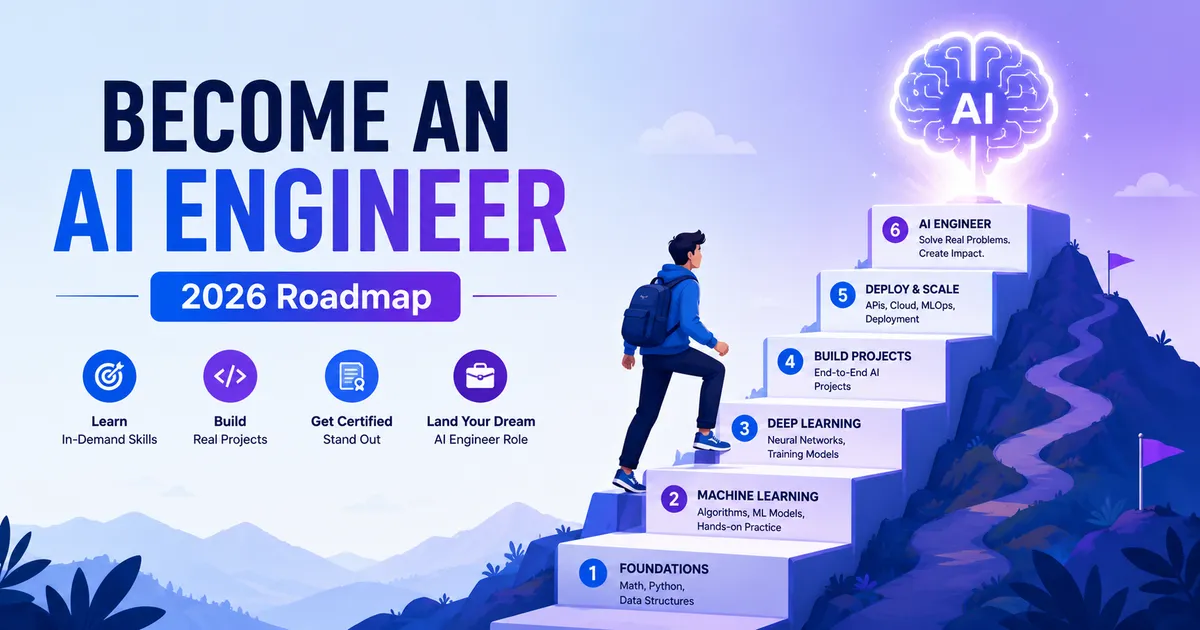
Here's the order I'd actually learn things in:
1. Programming, especially Python. This is non-negotiable. Python is the language of AI. Get genuinely comfortable with it before anything else.
2. Core computer science basics. How data structures work, how to write clean code, how programs are organized. You can't build reliable AI systems on shaky engineering.
3. Working with data. Loading, cleaning, and handling data using libraries like pandas and NumPy. Real AI work is mostly data work.
4. The fundamentals of how AI/ML works. Understand the concepts: what training is, what a model is, why data quality matters, what "fine-tuning" means. You need the mental model, not a PhD.
5. Working with AI models and APIs. This is the modern core. Learn to call models through APIs (OpenAI, Anthropic, Google), write good prompts, and build features on top. Frameworks like LangChain and LlamaIndex help here.
6. Building real things. Build AI-powered apps, agents, and tools. This is where you actually become hireable, by having things you've built.
7. Deployment and the surrounding stack. Learn the basics of cloud (AWS, Azure, or GCP), APIs, and getting things running in the real world. AI that only works on your laptop isn't useful to an employer.
A simple step-by-step starting plan
- Learn Python until you can build small programs comfortably.
- Learn to work with data (pandas, basic analysis).
- Learn the ML fundamentals conceptually through a beginner-friendly course.
- Build a project using an AI API (e.g., an app that summarizes documents or answers questions about your notes).
- Learn cloud and deployment basics so you can ship it.
- Build two or three more projects, each harder than the last.
- Put it all in a portfolio (GitHub + a simple writeup of each project).
Notice projects appear early and often. That's deliberate.
Tools worth learning
| Area | Tools to know |
|---|---|
| Language | Python |
| Data | pandas, NumPy |
| ML basics | scikit-learn, PyTorch (conceptually) |
| AI APIs | OpenAI, Anthropic, Google APIs |
| AI frameworks | LangChain, LlamaIndex |
| Deployment | A cloud provider (AWS/Azure/GCP), Docker basics |
| Version control | Git/GitHub |
You don't need all of these on day one. Add them as projects require.
What about salary and demand?
Demand for AI engineers is strong, and compensation is among the higher tiers in tech, though it varies enormously by country, experience, and company. I won't quote specific numbers that'll be outdated and misleading; check current data for your region. What's reliably true: people who can build working AI systems, not just talk about AI, are in real demand, and that's unlikely to change soon.
Common mistakes beginners make
- Getting stuck in "tutorial hell." Endlessly watching courses without building anything. You learn by building, not just watching.
- Trying to master all the math first. It's the most common reason people quit. Learn concepts as you need them.
- Skipping software fundamentals. Wanting to do "cool AI stuff" without solid programming leads to a shaky, unhireable foundation.
- Not building a portfolio. Employers want to see what you've made. "I took ten courses" is far weaker than "here are three things I built."
- Chasing every new tool. The field moves fast; focus on fundamentals that transfer rather than the framework of the week.
- Comparing your start to others' middle. Everyone's roadmap looks intimidating from the bottom. Just start.
Expert tips
- Build in public. Share your projects. It builds your portfolio and your network at the same time.
- Learn the fundamentals deeply; learn tools shallowly and as needed. Fundamentals last; tools change.
- One finished project beats ten half-finished tutorials. Ship things.
- Get comfortable with AI tools as a user too. Understanding how people use AI makes you better at building it.
- Be patient and consistent. Six months of steady, project-driven learning beats a frantic month and then burnout.
Need help building this?
I offer full-stack development services for startups and product teams.
If you want a faster path from idea to shipped product, I can help with architecture, frontend systems, backend APIs, and launch-ready builds.
View ServicesShare this post
Related posts
More practical reading from the blog to keep your momentum going.
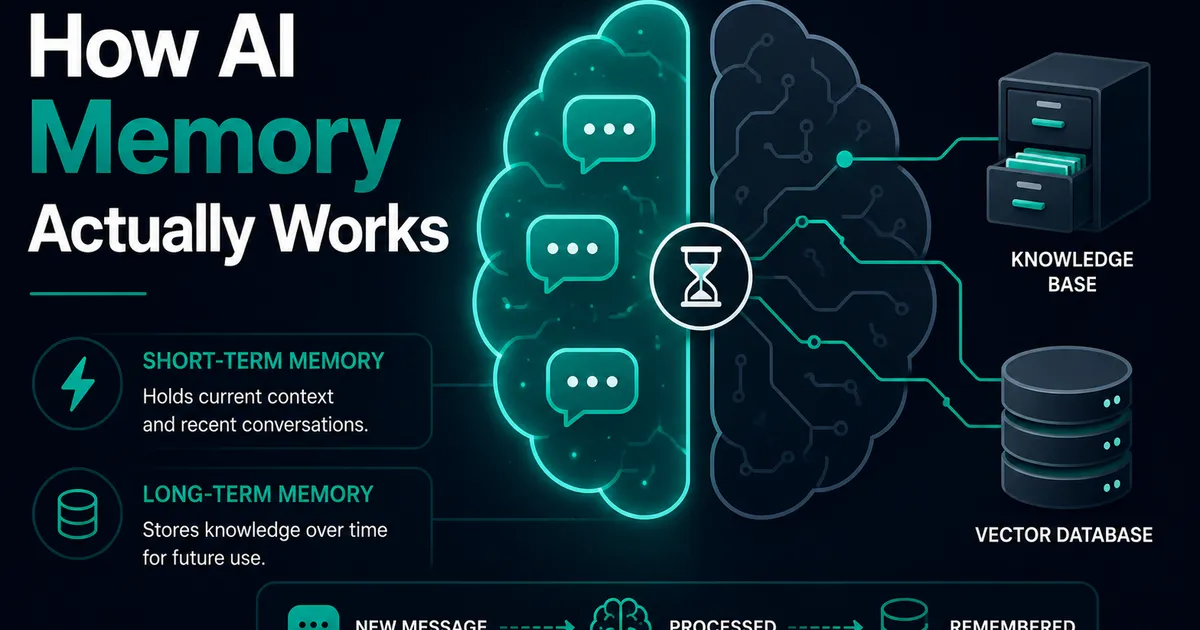
AI Memory Systems: Short-Term vs Long-Term Memory
Every API call meets a total stranger — LLMs remember nothing. How AI memory systems actually work: short-term, long-term, and forgetting.
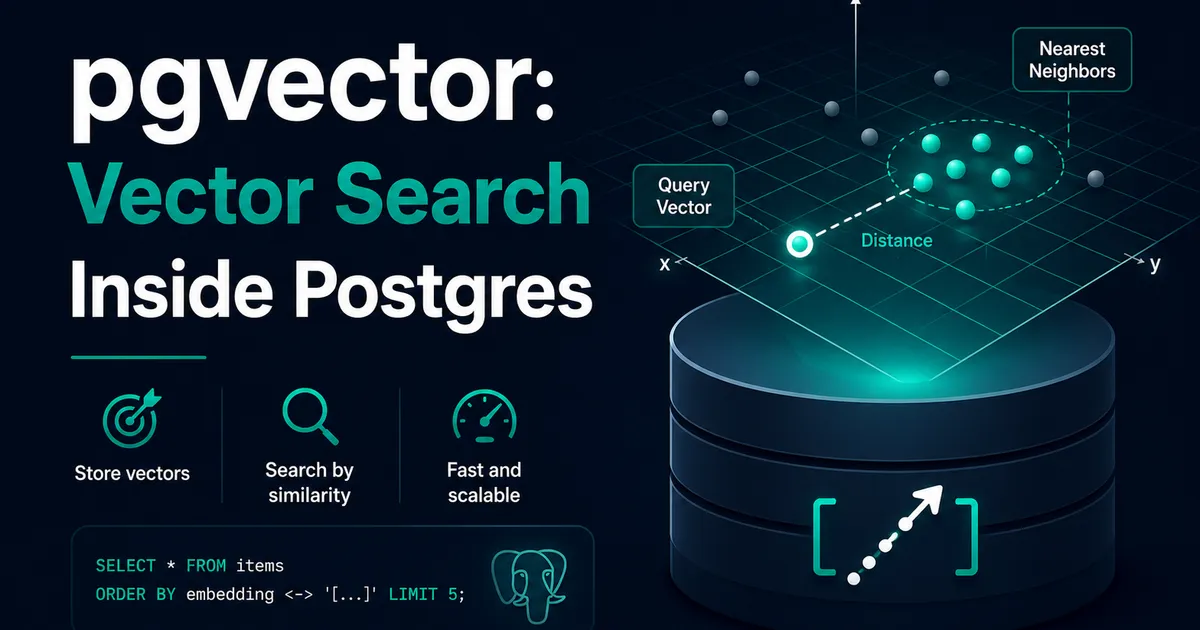
Vector Databases Explained with Supabase pgvector
I almost paid for a dedicated vector database. Turns out Postgres does it. A practical pgvector tutorial with Supabase — setup to indexes.
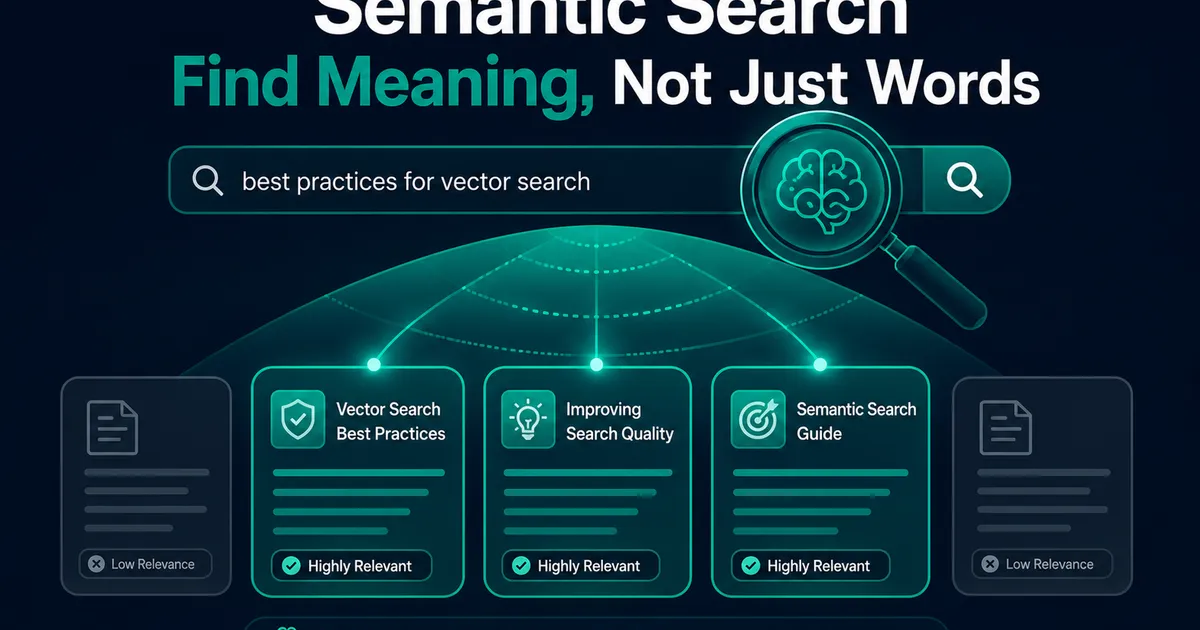
How I Added AI Search to My Next.js Website
Users searched "remove account," my docs said "delete account," search returned nothing. So I added AI semantic search to my Next.js site.